Selecting the right camera for video production involves balancing technical capabilities, budget constraints, and specific project requirements. Modern cameras offer unprecedented quality at various price points, making informed selection more important than ever for maximizing production value and efficiency.
Understanding Sensor Size and Its Impact
Sensor size fundamentally affects image quality, depth of field, and low-light performance. Full-frame sensors measuring 36x24mm provide shallow depth of field capabilities prized for cinematic looks and excellent low-light performance. Super 35mm sensors, slightly smaller at approximately 24x13mm, match traditional cinema camera formats and offer an ideal balance between image quality and practical lens selection.
Micro Four Thirds sensors, though smaller, provide advantages including compact camera bodies, extensive lens ecosystems, and increased depth of field useful for documentary and run-and-gun production. Understanding how sensor size affects your specific production needs guides camera selection more effectively than simply choosing the largest available sensor.
Resolution Requirements and Future-Proofing
4K recording has become standard for professional production, providing flexibility for reframing in post-production and future-proofing content as delivery standards evolve. However, higher resolution cameras including 6K and 8K options offer additional benefits for productions requiring maximum post-production flexibility or theatrical distribution.
Consider actual delivery requirements when selecting resolution. Corporate content, online videos, and most broadcast applications work perfectly with 4K acquisition. Commercial production, high-end corporate work, and projects requiring significant stabilization or reframing benefit from higher resolution capture. Balance resolution requirements against storage, processing, and workflow implications.
Codec Selection and Recording Formats
Internal recording codecs determine image quality and post-production workflow efficiency. Professional codecs like ProRes and RAW formats preserve maximum image information, enabling extensive color grading and post-processing. Long-GOP codecs such as H.264 and H.265 create smaller file sizes suitable for projects with limited storage or simpler post-production workflows.
Consider your color grading requirements and available storage when evaluating codecs. Minimal color correction workflows perform well with efficient compressed codecs, while productions requiring extensive grading benefit from higher-quality ProRes or RAW recording. External recorders expand codec options for cameras with limited internal recording capabilities.
Cinema Camera Options
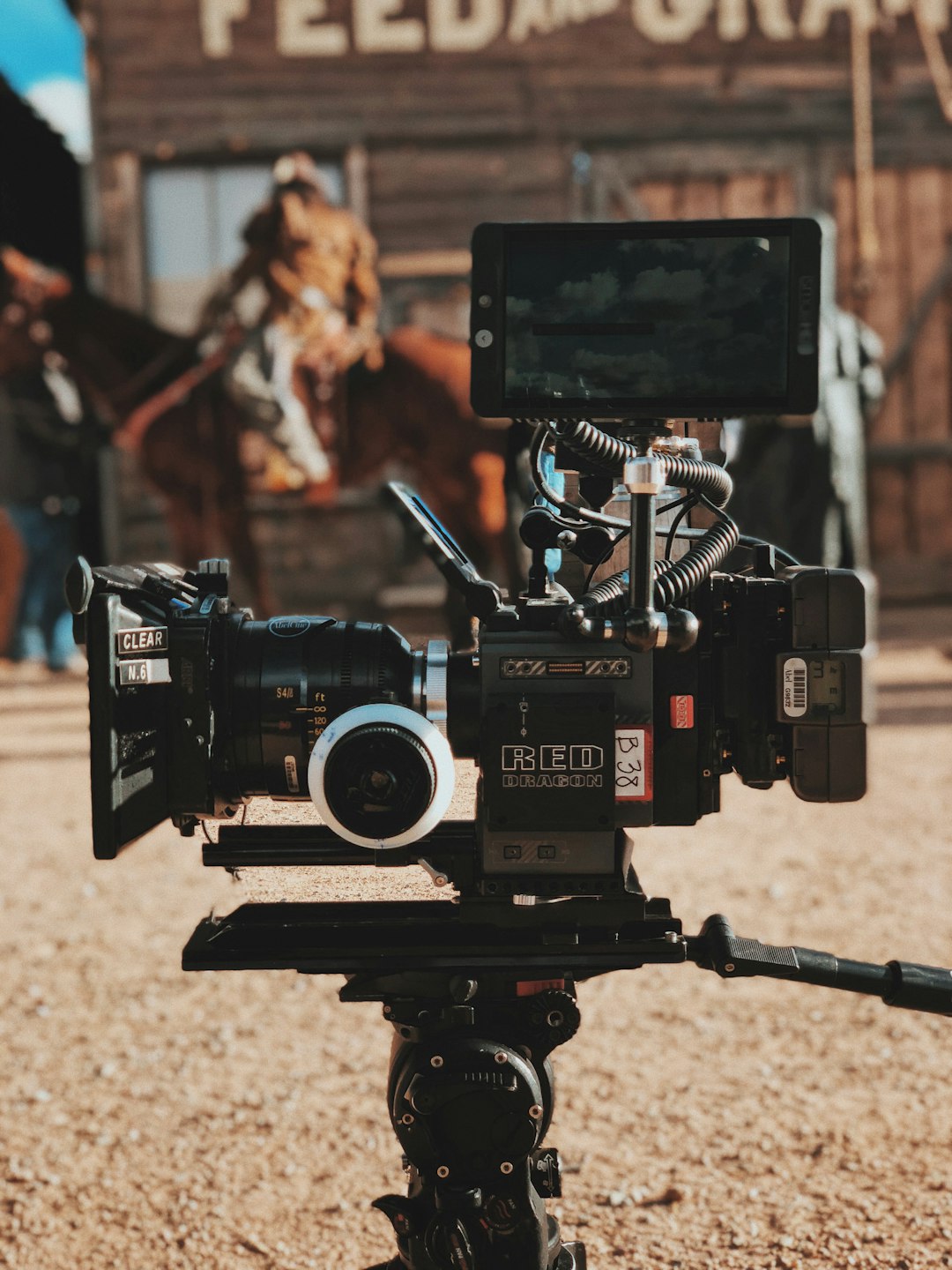
Dedicated cinema cameras like the Sony FX6, Canon C70, and Blackmagic URSA Mini Pro prioritize video features, professional audio inputs, and robust build quality. These cameras excel in professional production environments, offering excellent ergonomics, comprehensive manual controls, and superior heat management for extended recording sessions.
Cinema cameras typically provide better color science optimized for video production, superior autofocus systems for documentary work, and professional connectivity options. However, they command premium prices and may offer limited still photography capabilities. Consider cinema cameras when video production represents your primary focus and budget allows for specialized equipment.
Mirrorless Camera Advantages
Modern mirrorless cameras like the Sony A7S III, Canon EOS R5, and Panasonic S5 II deliver cinema-quality video in compact, versatile packages. These hybrid cameras excel at both photography and video, making them ideal for content creators requiring flexibility. Mirrorless cameras often provide cutting-edge autofocus technology, in-body stabilization, and excellent low-light performance.
Mirrorless cameras suit solo operators, small production teams, and hybrid shooters requiring both video and still capabilities. Limitations include potential overheating during extended recording, less robust build quality than dedicated cinema cameras, and sometimes limited professional audio options. Evaluate whether hybrid capabilities justify potential compromises in dedicated video features.
Low-Light Performance Considerations
Low-light capability varies significantly between cameras, affecting flexibility in challenging lighting conditions. Full-frame sensors generally outperform smaller sensors in low light, though modern sensor technology has dramatically improved performance across all formats. Cameras like the Sony A7S III specialize in extreme low-light situations, capturing usable footage in near-darkness.
Assess your typical shooting environments when prioritizing low-light performance. Documentary, event, and run-and-gun production benefits from superior low-light capabilities, while controlled studio environments reduce the importance of extreme ISO performance. Remember that lighting quality matters more than camera sensitivity for achieving professional results in most situations.
Autofocus Systems and Reliability
Modern autofocus systems have revolutionized video production, enabling solo operators to achieve sharp focus consistently. Dual Pixel CMOS AF from Canon and phase-detection systems from Sony provide reliable subject tracking suitable for professional production. Face and eye detection features maintain sharp focus on interview subjects and talent with minimal operator intervention.
However, autofocus reliability varies significantly between manufacturers and models. Test autofocus performance in conditions matching your typical production environment before committing to camera systems heavily dependent on autofocus. Manual focus remains essential for certain cinematic applications where creative focus control matters more than tracking accuracy.
Lens Ecosystem and Investment
Camera selection determines available lens options, affecting both immediate capabilities and long-term investment. Established systems from Canon, Sony, and Panasonic offer extensive native lens selections plus third-party options. Newer mounts may provide technical advantages but limited lens availability and higher costs.
Consider lens requirements for your specific production needs. Portrait and interview work prioritizes fast primes and moderate telephoto lenses, while documentary production benefits from versatile zoom lenses. Calculate total system cost including necessary lenses when evaluating camera options, as lens investment often exceeds camera body costs over time.
Practical Considerations and Workflow
Real-world production success depends on factors beyond technical specifications. Battery life affects shooting duration and operational complexity, with some cameras requiring frequent battery changes during long recording sessions. Weather sealing matters for outdoor production and documentary work in challenging environments.
Evaluate menu systems, control layout, and overall ergonomics before committing to camera systems. Cameras with intuitive controls and logical menu structures increase efficiency and reduce operator error during production. Consider rental opportunities to test cameras in actual production scenarios before making substantial equipment investments.
Selecting the right camera involves balancing technical capabilities against practical requirements and budget constraints. No single camera excels in every situation; the best choice aligns with your specific production needs, shooting style, and long-term career trajectory in video production.